

-
-
Industrial Layout

-
-
-
-
-
Transforming Workspaces: The Essential Guide to Modern Office Furniture
2026-09-07
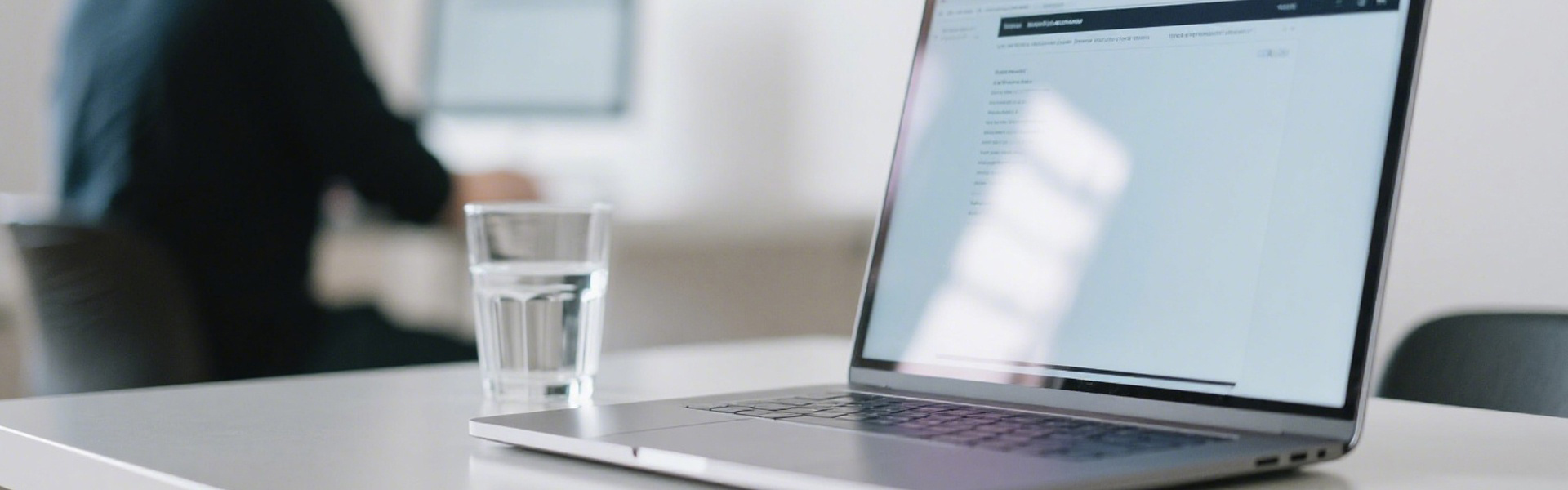
In the realm of modern office furniture, the desk serves as the cornerstone of any workspace. It is not merely a surface for work; it is a vital component that can influence productivity, employee well-being, and overall office dynamics. As organizations strive to adapt to the evolving nature of work, incorporating modern office desks into their design plans has become essential.
One of the most s
In the realm of modern office furniture, the desk serves as the cornerstone of any workspace. It is not merely a surface for work; it is a vital component that can influence productivity, employee well-being, and overall office dynamics. As organizations strive to adapt to the evolving nature of work, incorporating modern office desks into their design plans has become essential.
One of the most significant trends in modern office furniture is the rise of ergonomic designs. Ergonomic desks are crafted to support a healthy posture and reduce the risk of musculoskeletal issues. Features such as adjustable height settings allow employees to alternate between sitting and standing, catering to personal comfort preferences. This flexibility can lead to reduced fatigue and increased focus, ultimately enhancing productivity levels throughout the workday.
In addition to ergonomic considerations, the aesthetic appeal of modern office desks plays a crucial role in workspace design. Today’s office furniture comes in a variety of styles, materials, and finishes, allowing companies to reflect their brand identity and create a welcoming environment. From minimalist designs to more elaborate configurations, selecting furniture that aligns with your company’s values can foster a sense of belonging and motivation among employees.
Another essential aspect of modern office furniture is the integration of technology. Many contemporary office desks are equipped with built-in cable management systems, power outlets, and even wireless charging stations. These features not only contribute to a clutter-free workspace but also facilitate seamless connectivity, enabling employees to work efficiently with their devices.
When choosing modern office desks, it’s essential to consider the layout of your workspace. Open office concepts are popular for promoting collaboration, but they require thoughtful furniture placement to maintain a balance between openness and privacy. Desks that offer dividers or sound-absorbing materials can help create designated areas for focused work, ensuring that the benefits of an open layout do not compromise productivity.
Finally, sustainability is a growing concern in the selection of modern office furniture. Many manufacturers now offer eco-friendly options that utilize sustainable materials and processes. This shift not only helps in reducing the environmental impact but also resonates with employees who value corporate responsibility.
In summary, modern office furniture, particularly desks, plays a pivotal role in shaping an effective and appealing workspace. By focusing on ergonomic features, aesthetic integration, technological compatibility, thoughtful layout, and sustainability, businesses can create an environment that fosters productivity, enhances employee satisfaction, and aligns with contemporary work culture.
One of the most significant trends in modern office furniture is the rise of ergonomic designs. Ergonomic desks are crafted to support a healthy posture and reduce the risk of musculoskeletal issues. Features such as adjustable height settings allow employees to alternate between sitting and standing, catering to personal comfort preferences. This flexibility can lead to reduced fatigue and increased focus, ultimately enhancing productivity levels throughout the workday.
In addition to ergonomic considerations, the aesthetic appeal of modern office desks plays a crucial role in workspace design. Today’s office furniture comes in a variety of styles, materials, and finishes, allowing companies to reflect their brand identity and create a welcoming environment. From minimalist designs to more elaborate configurations, selecting furniture that aligns with your company’s values can foster a sense of belonging and motivation among employees.
Another essential aspect of modern office furniture is the integration of technology. Many contemporary office desks are equipped with built-in cable management systems, power outlets, and even wireless charging stations. These features not only contribute to a clutter-free workspace but also facilitate seamless connectivity, enabling employees to work efficiently with their devices.
When choosing modern office desks, it’s essential to consider the layout of your workspace. Open office concepts are popular for promoting collaboration, but they require thoughtful furniture placement to maintain a balance between openness and privacy. Desks that offer dividers or sound-absorbing materials can help create designated areas for focused work, ensuring that the benefits of an open layout do not compromise productivity.
Finally, sustainability is a growing concern in the selection of modern office furniture. Many manufacturers now offer eco-friendly options that utilize sustainable materials and processes. This shift not only helps in reducing the environmental impact but also resonates with employees who value corporate responsibility.
In summary, modern office furniture, particularly desks, plays a pivotal role in shaping an effective and appealing workspace. By focusing on ergonomic features, aesthetic integration, technological compatibility, thoughtful layout, and sustainability, businesses can create an environment that fosters productivity, enhances employee satisfaction, and aligns with contemporary work culture.
2026 /
09-07


Category:
knowledge
Related News


Contact Us
After-sales Service:+864001839986;+8618171959109
Hebei Company:+8613171701099
Guangdong Company:+8613724258230
Email:583503756@qq.com
Address: No. 36, Jinjiang Avenue, Tianmen Industrial Park, Tianmen City