

-
-
Industrial Layout

-
-
-
-
-
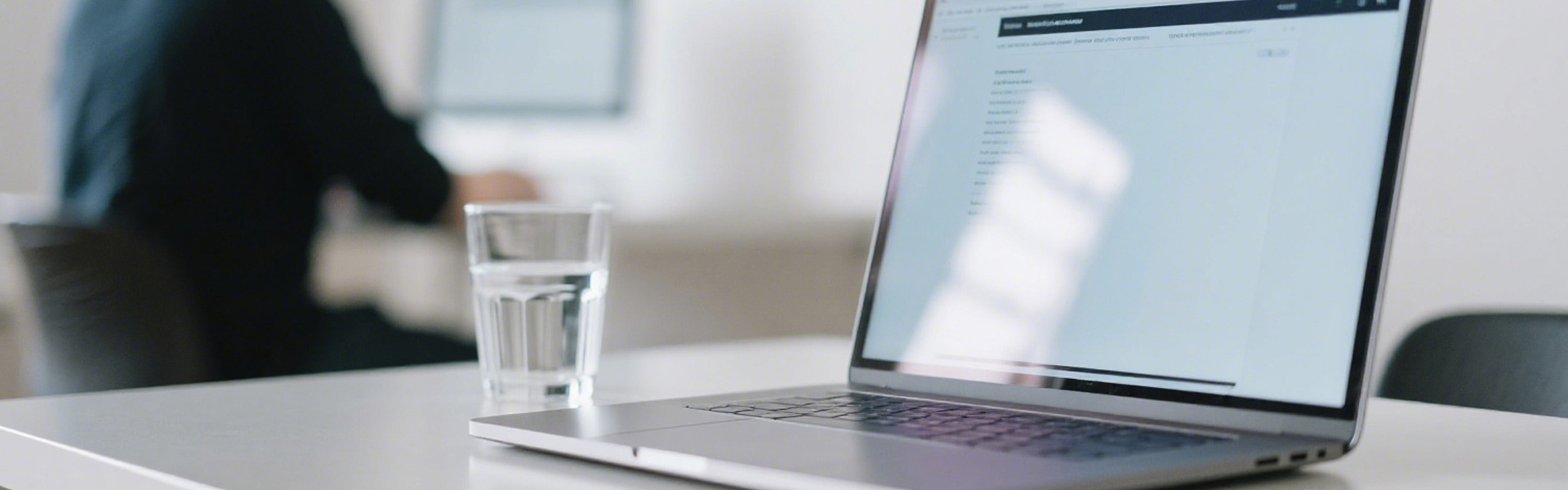
The Future of Work: Modern Office Furniture Trends Transforming Workspaces
2026-10-12
The Future of Work: Modern Office Furniture Trends Transforming Workspaces
Table of Contents
1. Introduction to Modern Office Furniture Trends
2. The Evolution of Workspaces: From Cubicles to Collaborative Areas
3. Flexible Furniture Solutions for Diverse Work Environments
4. Sustainable Materials in Office Furniture: A Necessity for the Future
5. Ergonomics and Wellness: Prioritizing E
The Future of Work: Modern Office Furniture Trends Transforming Workspaces
Table of Contents
- 1. Introduction to Modern Office Furniture Trends
- 2. The Evolution of Workspaces: From Cubicles to Collaborative Areas
- 3. Flexible Furniture Solutions for Diverse Work Environments
- 4. Sustainable Materials in Office Furniture: A Necessity for the Future
- 5. Ergonomics and Wellness: Prioritizing Employee Health
- 6. Technology Integration in Office Furniture: The Smart Workspace
- 7. Design and Aesthetics: Creating Inspiring Work Environments
- 8. The Role of Office Furniture in Enhancing Employee Productivity
- 9. Conclusion: Embracing the Future of Office Furniture
- 10. Frequently Asked Questions
1. Introduction to Modern Office Furniture Trends
In today's dynamic work environment, the role of **office furniture** has evolved significantly. As organizations adapt to new ways of working, furniture design is no longer just about aesthetics; it plays a crucial role in employee **productivity**, collaboration, and well-being. The modern office is a reflection of these changes, embracing innovative designs that cater to the needs of a diverse workforce. This article delves into the latest trends in **office furniture**, highlighting how they are reshaping workspaces for the future.
2. The Evolution of Workspaces: From Cubicles to Collaborative Areas
The traditional office layout, characterized by **cubicles** and closed-off spaces, is becoming a thing of the past. The shift towards **collaborative areas** has been driven by the need for better communication and teamwork. Modern office designs prioritize open spaces that foster interaction while also providing quiet zones for focused work.
**Key aspects of this evolution include:**
- **Open-Plan Layouts:** Encouraging frequent collaboration among team members.
- **Breakout Areas:** Informal spaces designed for brainstorming sessions and idea exchanges.
- **Quiet Rooms:** Dedicated areas for uninterrupted work, allowing employees to regain focus when needed.
With the rise of remote work, companies have started to rethink their office spaces, aiming to create environments that employees are excited to return to.
3. Flexible Furniture Solutions for Diverse Work Environments
Flexibility is a hallmark of modern office design. The introduction of **modular furniture** allows organizations to adapt their spaces according to changing needs. These solutions promote a culture of agility, enabling quick rearrangements for different tasks or team sizes.
**Examples of flexible furniture solutions include:**
- **Height-Adjustable Desks:** Catering to both standing and sitting preferences, promoting movement throughout the day.
- **Mobile Workstations:** Easily movable units that can be reconfigured for various activities, from individual work to group discussions.
- **Multi-Functional Furniture:** Pieces that serve multiple purposes, such as sofa beds for lounge areas that transform into meeting spaces.
These flexible solutions support a diverse range of work styles, ensuring that every employee can find their optimal working environment.
4. Sustainable Materials in Office Furniture: A Necessity for the Future
As sustainability becomes a priority in every industry, the **office furniture sector** is no exception. Companies are increasingly opting for sustainable materials to reduce their environmental impact while promoting healthier indoor environments.
**Sustainable materials making waves in office furniture include:**
- **Recycled Materials:** Furniture made from upcycled plastics and metals reduces waste and conserves resources.
- **Natural Fibers:** Upholstery made from organic cotton or hemp promotes air quality and comfort.
- **Sustainable Wood:** Sourced from responsibly managed forests, this wood helps preserve ecosystems.
Emphasizing sustainability not only appeals to environmentally conscious consumers but also enhances brand reputation.
5. Ergonomics and Wellness: Prioritizing Employee Health
A significant trend in modern office furniture is the emphasis on **ergonomics** and employee wellness. Organizations are recognizing that a comfortable workspace is vital for productivity and overall health.
**Key ergonomic features to consider include:**
- **Adjustable Chairs:** Providing support tailored to individual body types to prevent strain and discomfort.
- **Desk Layouts:** Configurations that promote natural posture reduce the risk of musculoskeletal issues.
- **Wellness Amenities:** Incorporating elements like standing desks, yoga balls, and wellness rooms encourages physical activity.
By prioritizing employee health, companies can foster a more engaged and productive workforce.
6. Technology Integration in Office Furniture: The Smart Workspace
Incorporating **technology** into office furniture is becoming increasingly important as the workplace evolves. Smart furniture is designed to enhance connectivity and functionality, making it an integral part of the modern office.
**Innovative technological features include:**
- **Built-in Charging Stations:** Allowing employees to power their devices conveniently while working.
- **Integrated Screens:** Facilitating presentations and collaborative work without the need for additional equipment.
- **IoT Capabilities:** Furniture that connects to the internet to track usage patterns and optimize space utilization.
These technological advancements not only improve efficiency but also create a more seamless work experience.
7. Design and Aesthetics: Creating Inspiring Work Environments
The design and aesthetics of office furniture play a crucial role in shaping workplace culture. A well-designed office can inspire creativity and foster a sense of belonging among employees.
**Important design considerations include:**
- **Color Psychology:** Using colors that stimulate creativity, focus, or calmness can enhance the overall work atmosphere.
- **Biophilic Design:** Incorporating elements of nature, such as plants and natural light, promotes well-being and reduces stress.
- **Customizable Spaces:** Allowing employees to personalize their workspaces can boost morale and investment in their environment.
By creating aesthetically pleasing and inspiring work environments, organizations can enhance employee satisfaction and retention.
8. The Role of Office Furniture in Enhancing Employee Productivity
The right office furniture can significantly impact employee productivity. Thoughtfully designed spaces that cater to various work styles can lead to improved focus and efficiency.
**Factors influencing productivity through furniture include:**
- **Collaboration Spaces:** Areas designed for teamwork can lead to innovative solutions and faster problem-solving.
- **Comfortable Workstations:** Ergonomically designed desks and chairs reduce distractions caused by discomfort, allowing employees to concentrate better.
- **Variety of Spaces:** Offering different types of environments, such as quiet zones and collaborative hubs, enables employees to work in ways that suit their preferences.
By investing in quality office furniture, companies can create conditions that promote productivity and drive success.
9. Conclusion: Embracing the Future of Office Furniture
As the future of work continues to evolve, so too do the trends in office furniture. Organizations must embrace these changes to create work environments that foster productivity, collaboration, and well-being. By prioritizing flexibility, sustainability, ergonomics, and technology integration, businesses can design spaces that not only meet the demands of modern work but also inspire and engage employees. The journey towards a more dynamic and innovative workplace has begun, and the right office furniture is at the forefront of this transformation.
10. Frequently Asked Questions
1. What are the key trends in modern office furniture?
Modern office furniture trends focus on flexibility, sustainability, ergonomics, technology integration, and aesthetic design. These elements work together to create productive and inspiring workspaces.
2. How does office furniture impact employee productivity?
Quality office furniture can enhance comfort, facilitate collaboration, and provide various working environments, all of which contribute to improved employee productivity.
3. Why is sustainability important in office furniture design?
Sustainability in office furniture design is crucial for reducing environmental impact, promoting healthier indoor environments, and appealing to eco-conscious consumers.
4. What are ergonomic features to look for in office furniture?
Ergonomic features to consider include adjustable chairs, desk layouts that promote natural posture, and wellness amenities like standing desks.
5. How can technology be integrated into office furniture?
Technology can be integrated through built-in charging stations, integrated screens for presentations, and IoT capabilities that track usage patterns to optimize space utilization.
6. What is biophilic design and why is it important?
Biophilic design incorporates natural elements into the workspace, promoting well-being and reducing stress. It is important for creating a healthier and more engaging work environment.
2026 /
10-12


Category:
knowledge
Contact Us
After-sales Service:+864001839986;+8618171959109
Hebei Company:+8613171701099
Guangdong Company:+8613724258230
Email:583503756@qq.com
Address: No. 36, Jinjiang Avenue, Tianmen Industrial Park, Tianmen City